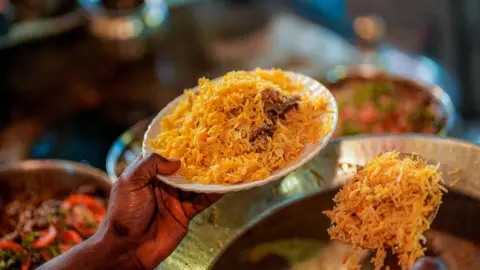
Mouth-watering kebabs, fragrant biryani, and airy, ethereal desserts.
The northern Indian city of Lucknow has consistently been a haven for gastronomes, with residents and travelers equally celebrating its exquisite cuisine.
An International Accolade
Recently, UNESCO honored it as a Creative City of Gastronomy – placing it on a select group of world cities and kindling hopes that it will showcase Lucknow's exceptional food. With this designation, it joins a international community of cities metropolises across more than 100 countries committed to promoting "creativity as a key factor of development that sustains urban life".
The honor "is a testament to its deep-rooted gastronomic legacy and dynamic gastronomic culture," as noted by a spokesperson from UNESCO's regional bureau for South Asia.
Lucknow is only the second Indian city – after Hyderabad, which was chosen in 2019 – to secure a position in this prestigious list of seventy urban centers around the world.
A City Defined by Food
The accolade for this historic city comes as no surprise to its residents or passionate food lovers. Many echo the sentiment that it is "a recognition that was delayed".
With the UNESCO designation, this adored, lively, and eclectic city – the capital of India's most populous state – is at last in the limelight for what has consistently defined its heart: an profound love for food.
"'The day's menu, how will it be cooked' is a continued discussion from morning until night in many homes," states a local cultural expert. "And you are truly assessed by the standard of food that is produced in your kitchen."
A Royal Culinary Legacy
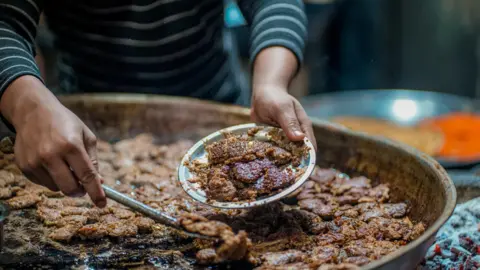
The City of the Nawabs – as it's widely known after its historic wealthy Muslim rulers – is famed for its melt-in-the-mouth kebabs and a singular take on biryani that were conceived, perfected, and raised to sublime levels in their imperial kitchens.
These kitchens of the nobility were epicenters of culinary innovations, fusing Persian and indigenous Indian styles to create what became known as the cuisine of Awadh.
It was in that period that Lucknow's most famous kebabs were developed. As the tale is told that the mutton galouti was created to cater to an ageing nawab who had lost his teeth. His culinary artists processed the meat with raw papaya, kesar, and a blend of spices and made it so fine that it needed no chewing.
But perhaps the greatest contribution of the chefs of Awadh was the slow-cook Dum pukht technique, where food is prepared on a gentle, slow heat, with the container's cover securely closed with dough.
A Diverse Culinary Landscape
Besides the well-known kebabs and biryani, the cooks also developed a repertoire of dishes that included kormas (rich curries), sheermal (saffron-infused flatbread), and shahi tukda (a sweet bread pudding).
However, Lucknow is not only about kebabs and biryani – the region is additionally a haven for vegetarians.
The local Baniya community's cuisine doesn't just celebrates fresh harvests but also provides the city its meticulously prepared Indian desserts, sweets, and unique street food, like chaat – zesty fried snacks.
Time-Tested Food Joints
Nearly on countless corners, there are little shops and stalls – hidden gems that are immensely popular with the locals.
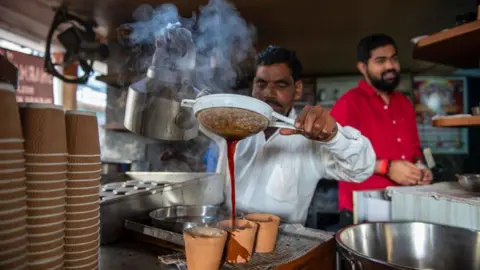
In the heart of the city of Hazratganj, huge crowds start assembling from early morning at a renowned tea stall to get a steaming cup of spiced tea with milk, served in clay glasses, along with fluffy buns slathered with freshly churned white butter.
To start the day, one can visit a no-frills joint located in the historic quarter of Aminabad. Nearly 150 years after it was founded, the place is still much sought-after for its hot kachoris (fried bread stuffed with lentils) and jalebis (crispy, syrup-soaked sweets).
Safeguarding a Culinary Heritage
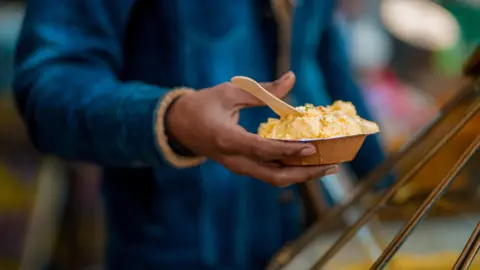
The city also presents special seasonal delights, such as makkhan malai, a frothy dessert savored in the winter. The method of making it is precise and demanding. The cook beats the milk and then sets it out at night, allowing the dew to give it its amazing light consistency.
On crisp mornings, street vendors are often seen in historic neighborhoods like Aminabad and Chowk. Many though express concern that their children are reluctant to master the craft.
A renowned chef from Lucknow has frequently stated that the city's immense food legacy positions it among the best of the Indian street food experience. The real value from the UNESCO recognition, it is believed, will occur only if Lucknow can now create awareness about its hidden eateries.
Every dish in Lucknow comes with a history – influenced by multi-generational food businesses, from modest street carts to bustling restaurants, and closely held family recipes.
The international acclaim, it is anticipated, will motivate more people globally to learn these tales and visit the city to delight in the gastronomic treasures of Lucknow.


